
Snap-in dentures attach to dental implants for added stability, while regular dentures rest on the gums without implants. Both are removable. Snap-in dentures usually feel more secure, but they require implant surgery, a higher upfront investment, and ongoing attachment care. Regular dentures remain a useful option for people who want to replace missing teeth without implants. The right choice depends on your mouth, health, and priorities—not just the name of the treatment.
What Are Regular Dentures?
Regular, or conventional, dentures are removable appliances that replace missing teeth and surrounding gum tissue. A complete denture replaces an entire upper or lower arch. It is custom-shaped to rest on your gums and help restore your smile, speech, and ability to eat.
An upper denture often benefits from a seal against the palate. A lower denture can be harder to keep steady because the tongue moves and there is less surface area for support. A careful fit matters, and some people use denture adhesive as directed. As your gums and jaw change, adjustments or relines may be needed. Persistent slipping or sore spots deserve a dental visit rather than more adhesive.
What Are Snap-In Dentures?
Snap-in dentures, sometimes called implant-retained overdentures, connect to implants through special attachments. These attachments help hold the denture in place while allowing you to remove it for cleaning. Depending on the design, the gums may still carry part of the chewing load.
The number and placement of implants are individualized. Two implants may retain a lower denture, while an upper denture often needs more. Your prosthodontist considers bone quality, the space available for the denture, and your bite before recommending a design.
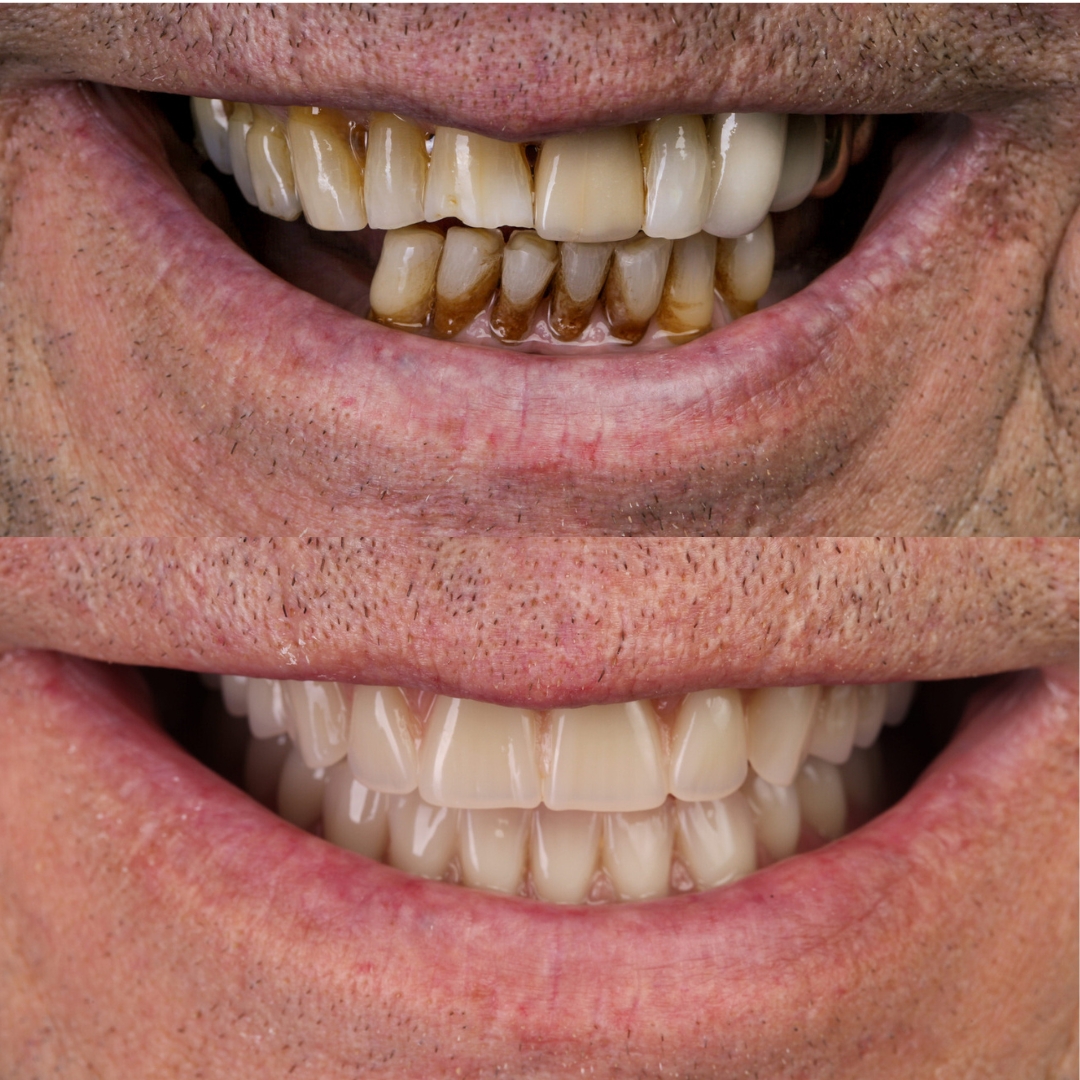
Snap-In Dentures vs. Regular Dentures at a Glance
| Consideration | Snap-In Dentures | Regular Dentures |
|---|---|---|
| How they stay in place | Attachments connect the denture to implants in the jaw | The denture rests on the gums; fit, saliva, and muscles help retain it |
| Stability | Usually more secure, especially for a lower denture | May move during eating or speaking, particularly as the jaw changes |
| Removal | Removed by you for daily cleaning and usually overnight | Removed by you for daily cleaning and usually overnight |
| Treatment | Implant surgery, healing, and a custom denture or suitable denture conversion | No implant surgery; extractions may still be needed |
| Maintenance | Clean the denture, implant attachments, and gums; attachments may need replacement | Clean the denture and gums; adjustments, relines, or replacement may be needed |
| Upfront cost | Generally higher because implants and attachments are included | Generally lower because there are no implants |
Are Snap-In Dentures the Same as All-on-4?
No. A snap-in denture is designed for you to remove. All-on-4 typically refers to a fixed full-arch bridge secured to four implants and removed only by a dental professional when needed. Both use implants, but the daily care, design, and treatment plan differ. Our guide to All-on-4 dental implants explains the fixed option.
Who Might Benefit from Snap-In Dentures?
If your dentures shift when you speak or eat, implants may provide useful retention. You need enough suitable bone for the planned implants—or a plan to address insufficient bone—and a health history that supports safe treatment and healing. Smoking, some medications, and poorly controlled medical conditions can affect implant outcomes.
An examination and appropriate imaging help determine whether implants are suitable. Your ability to remove the denture and clean around the attachments also matters. Regular dentures may be a better fit if you prefer to avoid surgery or if implant treatment is not appropriate for you.
What Does Treatment Involve?
For regular dentures, your dentist records your mouth and bite, checks the appearance and fit, and makes adjustments after delivery. If teeth need to be removed, your plan may include an immediate denture during healing and later relining or replacement.
Snap-in treatment adds implant planning, surgery, and a healing period before the final attachment connection when appropriate. Some patients need extractions or bone grafting. Timing varies, so do not assume that every snap-in denture can be attached on the day of surgery. Your team should explain how you will manage eating and your smile during each stage.
Daily Care and Long-Term Maintenance
Both options need daily cleaning and regular dental visits—even when you no longer have natural teeth. Remove and clean your dentures using the products and methods your dentist recommends. Clean your gums and tongue, and avoid hot water that could distort the appliance.
With snap-in dentures, also clean around the implants and attachments. Retention inserts can wear and need replacement. Dentures may still need repairs, relines, or replacement as your mouth changes. Increasing looseness, bleeding, soreness, or difficulty snapping the denture into place should be checked.
How Do Costs Compare?
Regular dentures generally cost less upfront. Snap-in treatment adds implants, attachments, surgery, and sometimes preparatory care. Ask for a written plan that separates the initial treatment from expected maintenance. Insurance coverage varies; do not assume all implant-related costs are covered. A personalized evaluation is more useful than comparing advertised prices for treatments that may not include the same services.
Why Choose a Prosthodontist for Dentures?
General dentists are essential to oral health, providing preventive care and helping patients maintain healthy teeth and gums. A prosthodontist completes three additional years of advanced training and schooling beyond dental school, with a focus on restoring and replacing teeth. For dentures, that expertise helps with the bite, facial support, fit, and coordination of implant and restorative care.
Each of our centers has a prosthodontist with this advanced specialty expertise. RDG’s in-house dental laboratory also supports collaboration between the doctor and technicians who craft restorations. Explore our denture treatment options or compare implants, dentures, and bridges.
Frequently Asked Questions
Are snap-in dentures permanent?
The implants stay in your jaw, but the denture is removable. You take it out for cleaning and usually at night. A fixed implant bridge is a different option and is not removed by the patient.
How many implants do snap-in dentures need?
There is no single number for everyone. A lower denture may be retained by two implants, while upper dentures often need more. Bone quality, your bite, and the attachment design determine the plan.
Can my current dentures be made into snap-in dentures?
Sometimes. Your prosthodontist checks the fit, condition, thickness, and available space in your existing denture. A new denture may be needed to achieve a comfortable, durable result.
Can I sleep in snap-in dentures?
You will usually remove them overnight to let your tissues rest, just as with regular dentures. Follow your treating dentist’s instructions, especially during healing.
Do snap-in dentures stop all bone loss?
No. Implants can help maintain bone around the implant sites, but they do not prevent every change in the jaw. Fit and tissue health still need to be monitored.
Are regular dentures still a good option?
Yes. Well-made regular dentures can restore appearance and help with eating and speaking without implant surgery. Your health, anatomy, budget, and preferences all matter when choosing.
Learn More
This article is general educational information, not a diagnosis or an individual treatment recommendation. Your dental team can advise you after examining your mouth and reviewing your health history.